Protect the Womb, Protect the Bump: A Love Letter + Resource Guide for Black Mamas
Let’s be clear: the baby bump isn’t just a vibe, it’s vision, legacy, and life.
And protecting it? That’s not optional. That’s essential.
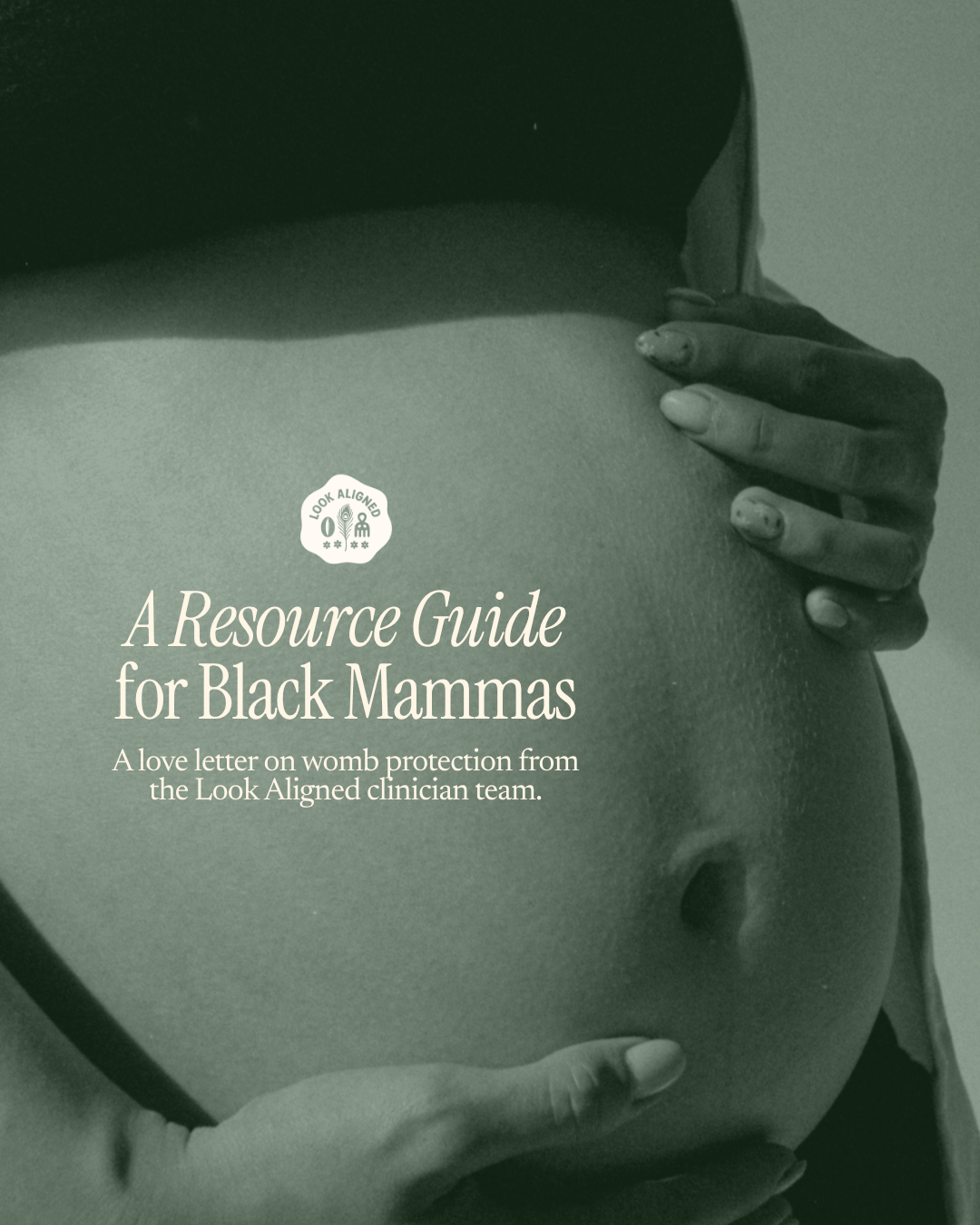
While Black motherhood is powerful, the reality is sobering in the United States, over 80% of pregnancy-related deaths are preventable, yet Black women are still about three times more likely to die from pregnancy-related causes due to systemic inequities not biology (Centers for Disease Control and Prevention [CDC], 2023).
So, this isn’t just a blog, it’s a reminder, a resource, and a call to action. Let’s protect the womb and the wisdom.
The Womb is Sacred Protect It Like It’s Priceless
Because it is.
Protecting your womb means honoring your body and your boundaries:
Rest without guilt (yes, naps count as productivity)
Reducing stress is part of prenatal care
Say “no” without overexplaining
Chronic stress and lack of support can negatively impact maternal health outcomes, making emotional well-being just as important as physical care (American Hospital Association, 2023).
The Bump Speaks Listen Closely
Your body communicates. The question is, are we listening?
Caution signs you should never ignore:
Severe headaches
Swelling in the face or hands
Difficulty breathing
Heavy bleeding
A persistent feeling that something isn’t right
If something feels off, trust that instinct and seek care immediately. Early intervention can save lives, and many complications are preventable with timely attention (CDC, 2023).
Advocacy is the Real Glow-Up
For many Black women, one of the biggest challenges during pregnancy isn’t just physical it’s being heard.
Advocacy in healthcare spaces is critical. This means:
Asking questions
Requesting clarification
Seeking second opinions when necessary
Bringing a trusted support person to appointments
Bias in healthcare exists, but so does your right to safe, respectful, and responsive care.
Doula Support: A Layer of Protection
Doulas provide continuous physical, emotional, and informational support before, during, and after childbirth.
Research shows that doula support is associated with:
Improved birth experiences
Reduced rates of medical interventions
Increased maternal satisfaction
Better communication with healthcare providers
Culturally competent doulas, in particular, can play a vital role in improving outcomes for Black mothers (National Heart, Lung, and Blood Institute, 2023; Johns Hopkins School of Nursing, 2024).
Build Your Village
Pregnancy and motherhood were never meant to be navigated alone.
Your support system or “village” may include:
Doulas or midwives
Healthcare providers you trust
Family and friends
Community-based support groups
Strong support systems are linked to better maternal and infant health outcomes, reinforcing the importance of connection and care (CDC, 2023).
Protecting the Womb is Protecting the Future
When Black mothers are supported, entire communities benefit.
This is about more than reducing statistics it’s about ensuring that Black women experience pregnancy with dignity, safety, and joy.
Protecting the womb means:
Listening to Black women
Believing Black women
Investing in Black maternal health
Because every mother deserves to be seen, heard, and cared for fully and without exception.
Join the conversation:
How are you or your community helping protect and support Black mothers?
References
American Hospital Association. (2023). Black maternal health requires a unified approach. https://www.aha.org
Centers for Disease Control and Prevention. (2023). Pregnancy-related deaths: Data from maternal mortality review committees. https://www.cdc.gov
Johns Hopkins School of Nursing. (2024). How doulas can improve Black maternal health outcomes. https://nursing.jhu.edu
National Heart, Lung, and Blood Institute. (2023). National Black Doulas Association: Helping fight Black maternal mortality. https://www.nhlbi.nih.gov
