
The Real MVPs of Social Work: Black Pioneers Who Turned Purpose Into Power
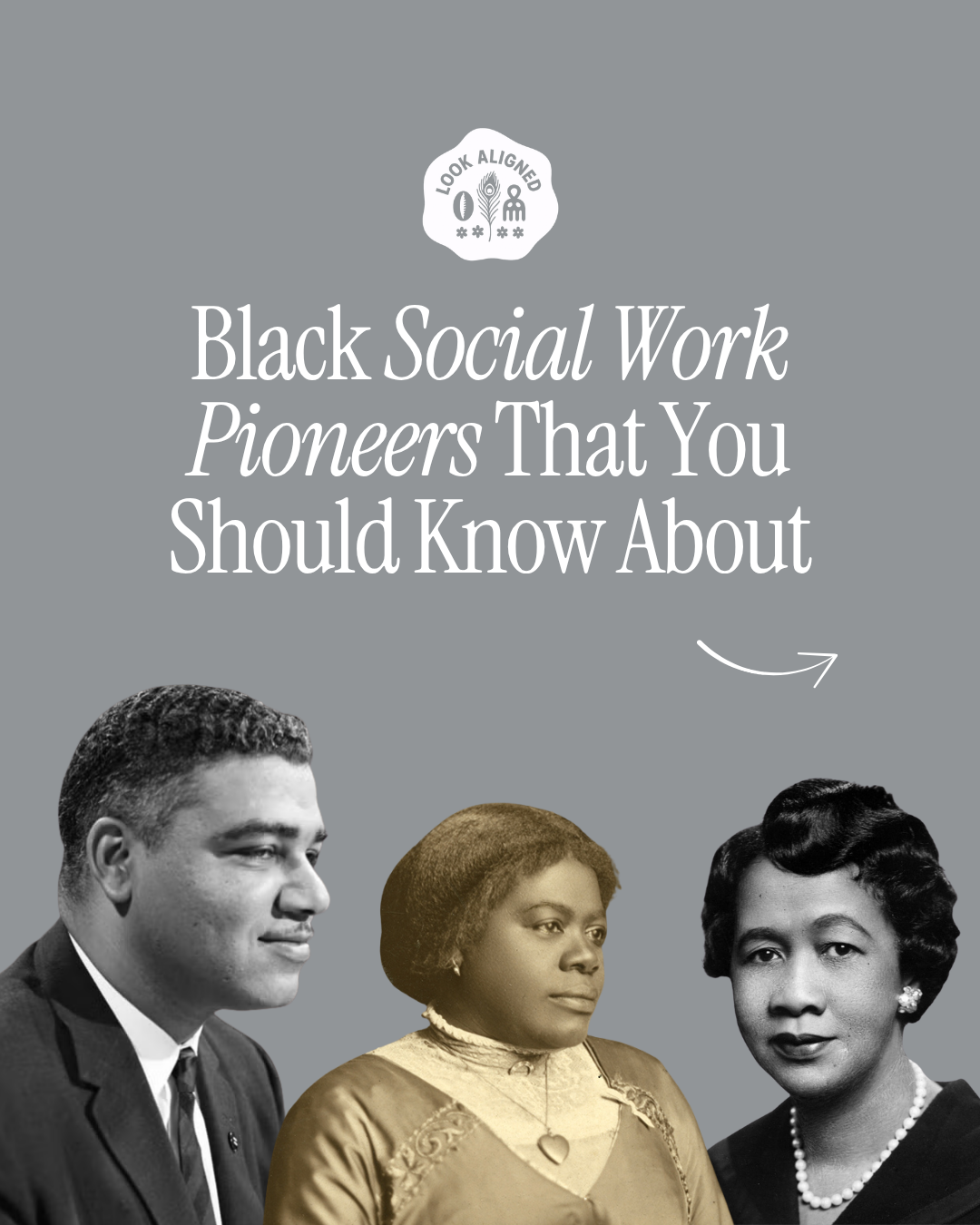
Before social workers were documenting case notes late into the evening, juggling supervision meetings, and promising themselves “just one more email,” there were pioneers who laid the very foundation of the profession. These individuals didn’t just participate in social work; they reimagined it. They challenged systems, built institutions, and created pathways where none had existed before.
Among these trailblazers are Mary McLeod Bethune, Whitney M. Young Jr., and Dorothy Height. Their contributions extend far beyond traditional practice; they shaped social work into a vehicle for advocacy, equity, and systemic change.
Mary McLeod Bethune understood the transformative power of education and community. She founded institutions and organizations that centered Black empowerment, ensuring that marginalized communities had access to resources and opportunities. Whitney M. Young Jr. brought social work into national civil rights conversations, using his leadership to influence public policy and expand access to employment and education. Dorothy Height, often called the “godmother of the civil rights movement,” championed the intersection of race and gender, advocating tirelessly for equity and dignity.
What sets these pioneers apart is not only what they accomplished, but how they approached the work. They embodied principles that remain central to social work today.
Advocacy was not theoretical; it was action. They organized, spoke out, and demanded changes in spaces that were often resistant or hostile. Community was not just a concept; it was a source of strength and resilience. They recognized that meaningful change happens collectively, not in isolation. Equity was not an aspiration; it was a requirement. Their work consistently challenged injustice and called for systemic accountability.
For young adults considering a path in social work, their legacy is both a guide and an invitation. The field today may look different, filled with digital documentation, evolving policies, and complex systems, but its core mission remains unchanged. Social work is still about people, relationships, and the pursuit of justice.
Each time a social worker advocates for a client, questions inequitable systems, or balances empathy with professional boundaries, they build on the foundation these pioneers established. Even in the everyday moments of navigating challenging caseloads, engaging in difficult conversations, or striving to maintain personal well-being, there is a connection to a broader movement.
Social work is not simply a profession; it is a commitment to impact. It requires persistence, compassion, and a willingness to confront difficult realities. The work can be demanding, but it is also deeply meaningful.
Honoring pioneers like Bethune, Young, and Height is not only about recognizing history, it is about understanding the responsibility carried forward by those entering the field today. Their legacy reminds us that social work has always been about more than service delivery. It is about transformation.
Stepping into social work is stepping into that legacy to continue creating space, amplifying voices, and striving toward a more just and equitable society.
References
Mary McLeod Bethune
McCluskey, A. T., & Smith, E. M. (Eds.). (2001). Mary McLeod Bethune: Building a better world—Essays and selected documents. Indiana University Press.
Whitney M. Young Jr.
Young, W. M., Jr. (1964). To be equal. McGraw-Hill.
Dorothy Height, D. I. (2003). Open wide the freedom gates: A memoir. PublicAffairs.
Carlton-LaNey, I. (1999). African American leadership: An empowerment tradition in social welfare history. Journal of Black Studies, 30(3), 311–332. https://doi.org/10.1177/002193479903000302
Morris, A. D. (1984). The origins of the civil rights movement: Black communities organizing for change. Free Press.
